A Hollywood Hills sale rarely comes apart over price. It comes apart in the inspection period, when a buyer's geotechnical engineer reads a retaining wall that never had a permit, or when a lender's underwriter finds a parcel sitting inside two seismic overlays instead of one. The list price is the easy conversation. The overlays are the transaction.
That is the practical difference between a hillside deal and a flat-lot deal in the Valley. The disclosures look similar on the cover page and diverge sharply underneath. A seller who understands the stack prices for it. A buyer who reads it before the offer sets terms rather than reacting to them.
The two seismic lines most buyers read as one
California operates two separate hazard-mapping programs that appear on separate lines of the Natural Hazards Disclosure Statement. California operates two separate, legally distinct seismic-hazard mapping programs, each with its own maps, its own construction restrictions, and its own line on the Natural Hazards Disclosure Statement. Buyers who conflate them tend to over-focus on Alquist-Priolo fault-rupture zones and under-read the Seismic Hazard Mapping Act zones for liquefaction and earthquake-induced landslides, which are what actually govern most Hollywood Hills parcels.
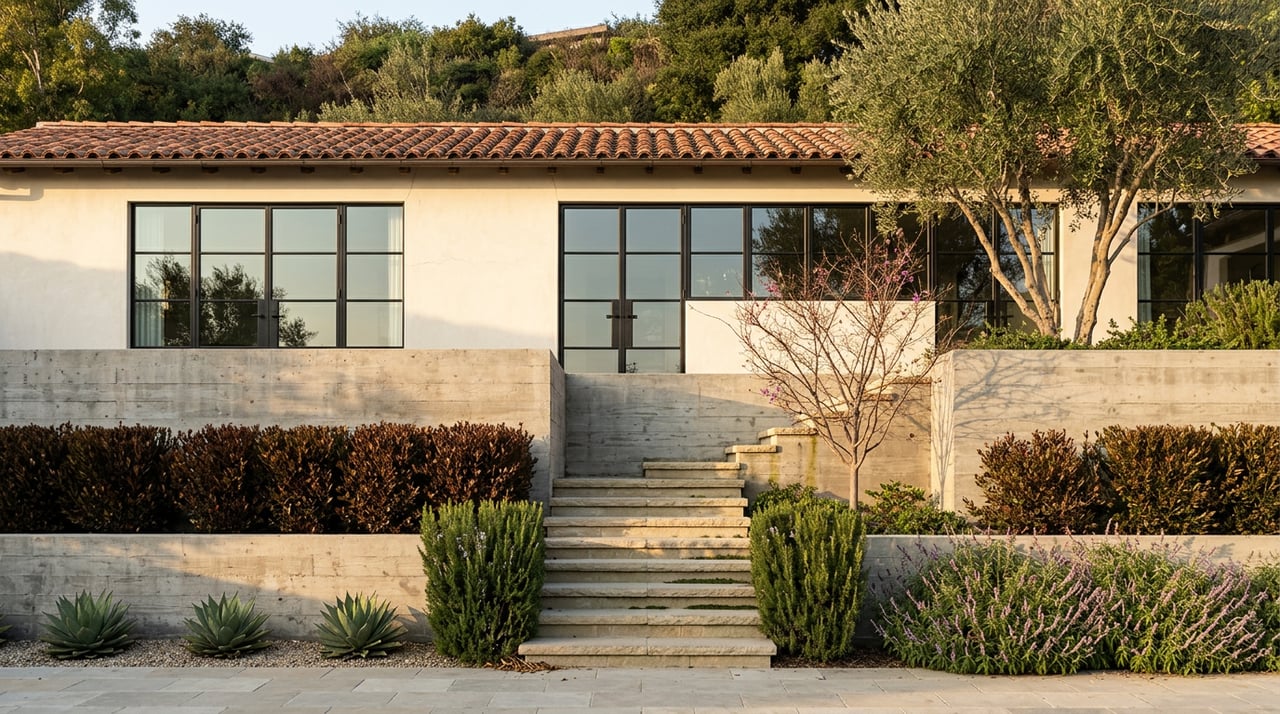
The Hollywood Hills, Laurel Canyon, Benedict Canyon, and Beachwood Canyon all carry significant Alquist-Priolo or SHMA Seismic Hazard Zone exposure, and portions also carry Very High Fire Hazard Severity Zone designations. The zone determines what an engineer has to sign off on, what an insurer will underwrite, and what a lender will fund. It is not decoration on a disclosure form.
What the Baseline Hillside Ordinance actually caps
The BHO is where a remodel budget goes to be redrawn. The LA Hillside Ordinance (LAMC 12.21-A.17) regulates construction on hillside lots by limiting building size based on lot slope and area, restricting grading quantities, requiring geotechnical analysis, and mandating specific foundation systems. For a buyer who plans to expand the primary suite, add a pool, or square off an addition against a view, the ordinance often shrinks the envelope below what the base zoning suggests.
The specific triggers matter:
- Lots with average slope above 15% or inside mapped Hillside Areas fall under the ordinance, with stricter setbacks (front 20 ft, side 5-10 ft, rear 15 ft), a reduced 28 ft height envelope, a two-car covered parking requirement, and Bureau of Engineering grading review for any cut or fill over 50 cubic yards.
- Height is measured from natural or average grade on sloped lots, so the same nominal height on paper can produce very different massing outcomes.
- Retaining walls, decks, additions, pools, and grading nearly always require permits and plan check through LADBS.
Cost follows form. Hillside construction runs 30 to 60 percent above comparable flat-lot projects, with premiums driven by caisson foundations at roughly $15,000 to $50,000 each, retaining walls at $200 to $400 per linear foot, extended utilities, difficult site access, crane rental, and additional engineering. A buyer who treats those numbers as extras rather than as baseline math will overpay for the wrong house.
Hollywood-specific overlays sit on top of the BHO. Los Angeles City Planning identifies the Hollywood Community Plan area as covered by the Hillside Construction Regulation Supplemental Use District, the Mulholland Scenic Parkway Specific Plan, and the Hollywoodland Specific Plan, each of which can add its own review layer.
The permit-history read that changes the negotiation
The single most useful hour a buyer can spend before writing an offer is inside the LADBS online records for the subject property. Prior grading permits, retaining-wall approvals, addition permits, and any open code cases are all searchable by address. Missing permits for work that clearly exists on the site are the highest-value finding of the entire due-diligence process, because they convert seller talking points into escrow credits.
The same records answer the soft-story question. Under LA Ordinance 183893, pre-1980 wood-frame two-to-four story buildings with a soft or open first story must complete mandatory retrofits; if a property is on the mandatory list and has not been retrofitted, lenders may require escrowing retrofit costs, and future buyers face the same obligation. Some hillside single-family structures with tuck-under garages fall into similar structural conversations even when not on the multifamily ordinance list, and the LADBS permit trail is where that gets resolved.
Every hillside offer should assume the seller's disclosures are complete and the permit record is the referee. Where the two disagree, the record wins, and the negotiation moves to who pays to reconcile them.
The inspection stack a flat-lot deal skips
A general inspection is the beginning, not the deliverable. In the Hills, a defensible due-diligence package typically includes:
- A licensed geotechnical engineer's review of soils, slope stability, and existing retaining walls and drainage. In hillside properties, a licensed geotechnical engineer's review of the retaining walls and drainage systems is not optional — it is essential.
- A sewer lateral scope, because uphill homes sometimes rely on private laterals or ejector pumps that never appear in the seller's disclosures.
- A structural review of decks, cantilevers, and any addition tied into original framing.
- A drainage and roof-runoff assessment, since water is the most common trigger of hillside failure.
- A defensible-space and wildfire-hardening walk, especially for parcels inside the VHFHSZ boundary.
- A title read that surfaces private-road maintenance agreements, view easements, and access rights.
Lenders may request engineering reports or limit loan-to-value for high-slope or access-constrained properties, so it pays to get quotes and lender feedback early rather than late. A pre-approval on a flat-lot comp will not always translate cleanly to a caisson-founded home on a private road.
The fire-zone conversation after January 2025
The Palisades event reset the disclosure environment for every hillside transaction in the county. Fire-zone disclosure requirements apply to portions of these areas following the January 2025 Palisades Fire, and buyers should budget for higher homeowners insurance premiums due to fire-zone designations. The underwriting posture from admitted carriers has tightened, and California FAIR Plan supplements are showing up in escrow files that would not have needed them two years ago.
For a seller, that shifts prep work upstream. Documented brush clearance to Cal Fire defensible-space standards, a recent roof and vent-ember screening confirmation, and a clean insurance-loss-run history are all items that can be assembled before listing rather than defended during the buyer's inspection window.
What sellers can do before the sign goes up
The counter-play to buyer scrutiny is disclosure discipline. A Hollywood Hills seller who commissions a pre-listing geotechnical letter, pulls a fresh LADBS permit history, resolves any minor open code items, and documents defensible-space compliance shortens the buyer's contingency period materially. It also protects the price. A buyer who has fewer unknowns to price against tends to underwrite closer to list.
For estates being prepared discreetly, the same work happens off-market. The record is built, the file is organized, and the property meets its buyer with the answers already assembled. That is the version of a hillside sale that closes on original terms.
Two questions worth answering directly
Do BHO limits apply to a remodel that stays inside the existing footprint? Often yes in part. Structural work, foundation modifications, and any grading over the 50-cubic-yard threshold pull the project into hillside review even when the roofline does not move. Interior-only cosmetic work is typically outside that scope, but the line moves as soon as walls, windows, or foundations change.
How early should a buyer order a geotechnical review? Before removing the inspection contingency, and ideally before writing the offer if the listing has visible slope, retaining walls, or a pool cantilevered off a downslope side. The contingency-removal phase trips up first-time hillside buyers more than any other step, particularly when inspection contingencies come off without a full read of the soils report.
A Hollywood Hills transaction rewards the party who reads the overlays first. That is the entire mechanic. If you are preparing to buy or sell a hillside home and want a builder's read on the permit file, the envelope, and the inspection stack before you commit to price and terms, Joan Duffy is here to talk it through. Let's Connect.