Looking for a Los Angeles neighborhood that feels connected, polished, and livable all at once? Studio City stands out because it offers a true neighborhood center, easy access to outdoor space, and a housing mix that appeals to many kinds of buyers. If you are wondering what daily life really feels like here, this guide will walk you through the lifestyle, layout, housing patterns, and market context that shape Studio City today. Let’s dive in.
Studio City at a glance
Studio City sits within Los Angeles’ Sherman Oaks-Studio City-Toluca Lake-Cahuenga Pass community plan area, and its boundaries help explain its appeal. The neighborhood stretches between key canyon, hillside, and freeway edges, including Coldwater Canyon and US-101 to the north, Mulholland Drive to the south, and the 101/134/170 interchange to the east.
That geography gives Studio City a distinct feel. You get a Valley neighborhood with a strong connection to the Hollywood Hills and Universal area, rather than a place that feels tucked away or disconnected from the rest of Los Angeles.
Ventura Boulevard shapes daily life
If you spend time in Studio City, Ventura Boulevard quickly becomes the center of the experience. The community plan identifies Ventura Boulevard as the area’s commercial spine, and the Studio City Business District says the district stretches more than 1.5 miles from Coldwater Canyon to Carpenter, including Ventura Place and parts of Laurel Canyon.
That matters because Studio City does not revolve around a single plaza or shopping center. Instead, its identity comes from a concentrated boulevard lined with dining, retail, services, and office space, which gives the neighborhood a more intimate, village-like rhythm.
A more walkable Valley feel
The community plan describes Ventura Boulevard as a corridor of pedestrian-oriented storefronts and office buildings. In practical terms, that means many errands, casual meetups, and everyday stops can happen along one central stretch rather than across a wide suburban grid.
Studio City is still part of Los Angeles, so your experience will vary depending on where you live. Even so, the boulevard core helps the neighborhood feel more connected and easier to navigate than many areas where amenities are more spread out.
Outdoor access is part of the lifestyle
One of Studio City’s biggest advantages is how easily neighborhood living meets outdoor recreation. You can move from the commercial energy of Ventura Boulevard to parks, trails, and open space without going far.
For many buyers, that balance is a major reason Studio City stays in demand. It offers everyday convenience while still giving you room to get outside, reset, and enjoy a more natural setting.
Neighborhood parks and recreation
Los Angeles Recreation and Parks lists several neighborhood parks in Studio City, including the Studio City Recreation Center, Moorpark Park, South Weddington Park, and Woodbridge Park. These local amenities support a steady, day-to-day lifestyle with green space close to home.
The Studio City Recreation Center, also known as Beeman Park, is an 8.46-acre neighborhood park with baseball, basketball, tennis, play areas, picnic space, and community programming. The city has also approved a new gymnasium and community-center project there, which adds to its role as a local gathering place.
Canyon trails and river access
On the canyon side, the Mountains Recreation and Conservation Authority manages Wilacre Park and Fryman Canyon Park. Wilacre Park spans 128 acres off Laurel Canyon Boulevard and connects to the Betty B. Dearing Trail, while Fryman Canyon Park covers 122 acres off Mulholland Drive with views, a fitness course, and trail links to Wilacre and Coldwater Canyon.
Studio City also includes the Zev Yaroslavsky L.A. River Greenway Trail, described by MRCA as a half-mile walking path along the river’s edge with restored native habitat. Together, these spaces give the neighborhood a rare combination of urban convenience and quick outdoor access.
Getting around Studio City
Studio City offers transit options, but it remains primarily car-oriented. Metro lists the Universal / Studio City Station as serving the B Line along with local bus service, and the neighborhood connects directly to the 101/134/170 freeway interchange on its eastern side.
For residents, that often means you can benefit from both systems. You have a rail station and transit access when it makes sense, while still relying on the freeway network for many daily trips across Los Angeles.
Homes vary by area
One reason Studio City appeals to such a broad range of buyers is that the housing stock changes noticeably from one part of the neighborhood to another. It is not a one-style, one-price-point community.
According to the community plan, most single-family homes are located south of Ventura Boulevard in the hillside areas. Multiple-residential housing is more common north of Ventura and along major arterials, which creates a more layered housing map than buyers sometimes expect.
What that means for buyers
If you are exploring Studio City, it helps to think of it as several micro-markets within one neighborhood. Closer to Ventura Boulevard, you are more likely to find condos, attached homes, and residences that prioritize convenience to shops, dining, and services.
In flatter pockets, you may see classic single-family homes with established neighborhood character. In hillside areas, homes can feel more private and architecturally varied, with lot shape, views, and siting becoming more important factors in the decision.
Character and architectural variety
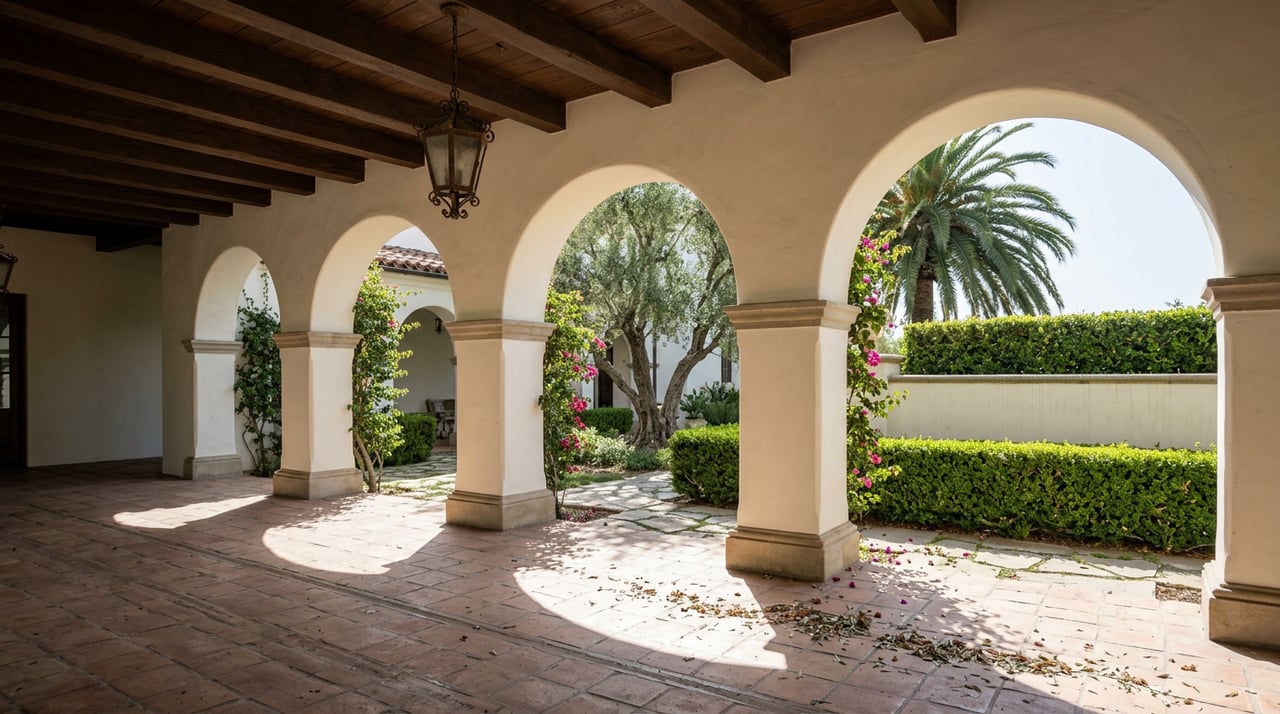
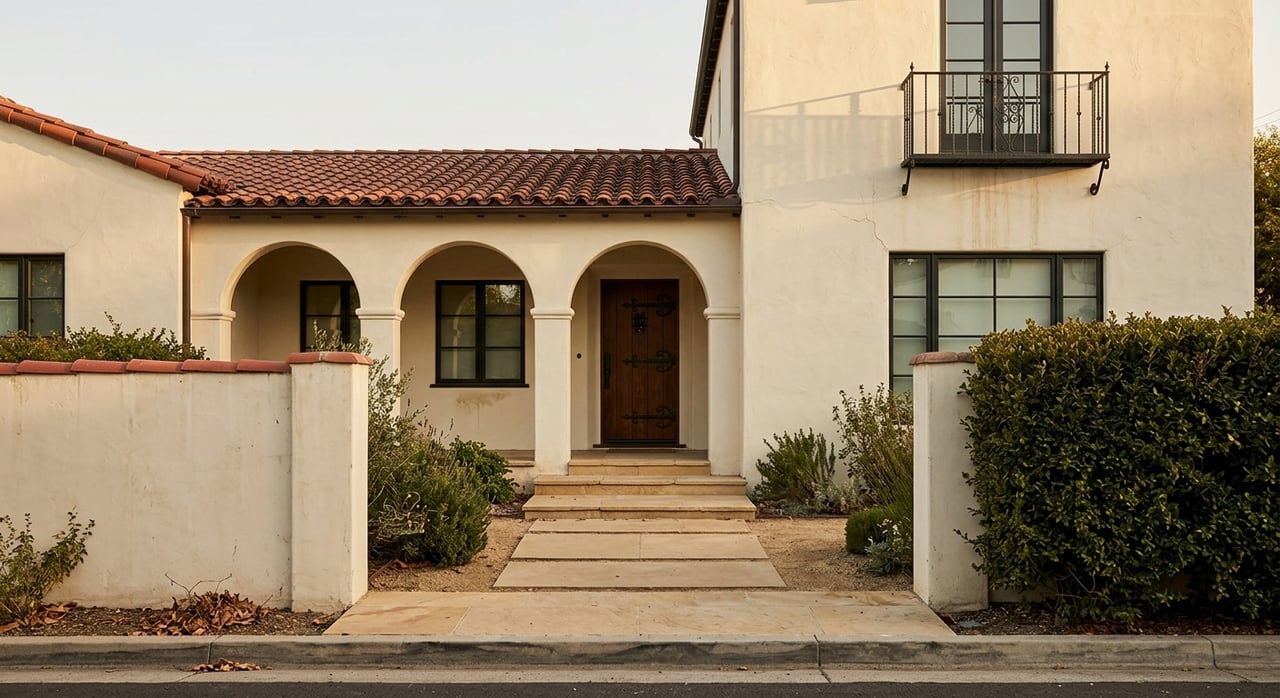
The community plan notes that hillside parts of Studio City and nearby communities are predominantly single-family and architecturally varied. It also references preserved early California bungalows and other historically significant resources.
That variety is part of what gives Studio City long-term appeal. For design-aware buyers, the neighborhood offers more than just square footage. It can also offer individuality, craftsmanship, and a stronger sense of place.
The Studio City market in context
Studio City is firmly a million-dollar neighborhood, and current market snapshots reflect that. Redfin reports a median sale price of $1.97 million with 62 days on market, while Realtor.com reports a median listing price of $2.30 million, about 45 days on market, and a 98% sale-to-list ratio.
Those figures are different because they measure different things. One reflects recent closed sales, while the other reflects active listing conditions, but together they show that Studio City remains a high-value market with meaningful demand.
Who Studio City tends to attract
Studio City often appeals to buyers who want a neighborhood with a clear identity and a real center of activity. Ventura Boulevard convenience, canyon access, and a housing mix that ranges from condos to higher-end detached homes all contribute to that draw.
It can also be especially appealing if you care about design, layout, and how a home lives day to day. Because the neighborhood includes everything from attached residences near the boulevard to more private hillside properties, buyers often have options that fit different lifestyle priorities.
Why sellers benefit from Studio City’s identity
For sellers, Studio City’s appeal is not just about location on a map. The neighborhood combines a recognizable commercial core, access to open space, and a residential fabric that can feel distinct from block to block.
The area’s production and post-production business presence, connection to major employers like CBS Studio Center in the community plan, and established hillside housing pattern all help explain why buyer interest can come from different directions. Some buyers are focused on convenience, some on privacy, and some on the character of the home itself.
What living in Studio City feels like
At its best, Studio City feels balanced. You have a neighborhood where daily errands and dining are centered along a lively boulevard, but you are also close to parks, trailheads, and hillside streets that feel more removed from the pace of the city.
That mix is what gives Studio City staying power. It is practical and polished, connected and residential, active and relaxed in the right moments.
If you are considering a move to Studio City, it helps to look beyond price alone. The real question is which part of the neighborhood fits the way you want to live, and which type of property best supports that lifestyle. When you want thoughtful guidance on Studio City homes, neighborhood character, and the details that matter, Joan Duffy is here to help.
FAQs
What is Studio City known for in Los Angeles?
- Studio City is known for its Ventura Boulevard commercial core, access to parks and canyon trails, entertainment-industry ties, and a housing mix that includes condos, single-family homes, and hillside properties.
Is Studio City a walkable neighborhood?
- Studio City has a more walkable feel than many Valley neighborhoods because Ventura Boulevard includes pedestrian-oriented storefronts and services along a concentrated main corridor.
What types of homes are common in Studio City?
- Studio City includes multiple-residential housing north of Ventura Boulevard and along major arterials, with many single-family homes located south of Ventura in the hillside areas.
Does Studio City have parks and hiking trails?
- Yes. Studio City includes neighborhood parks such as the Studio City Recreation Center, Moorpark Park, South Weddington Park, and Woodbridge Park, along with access to Wilacre Park, Fryman Canyon Park, and the Zev Yaroslavsky L.A. River Greenway Trail.
Is Studio City connected to transit?
- Yes. The Universal / Studio City Station serves the Metro B Line and local bus service, although the neighborhood still functions primarily as a car-oriented area.
What is the Studio City housing market like?
- Current market snapshots place Studio City in the million-dollar range, with reported median figures around $1.97 million for recent sales and $2.30 million for active listings, depending on the source and methodology.