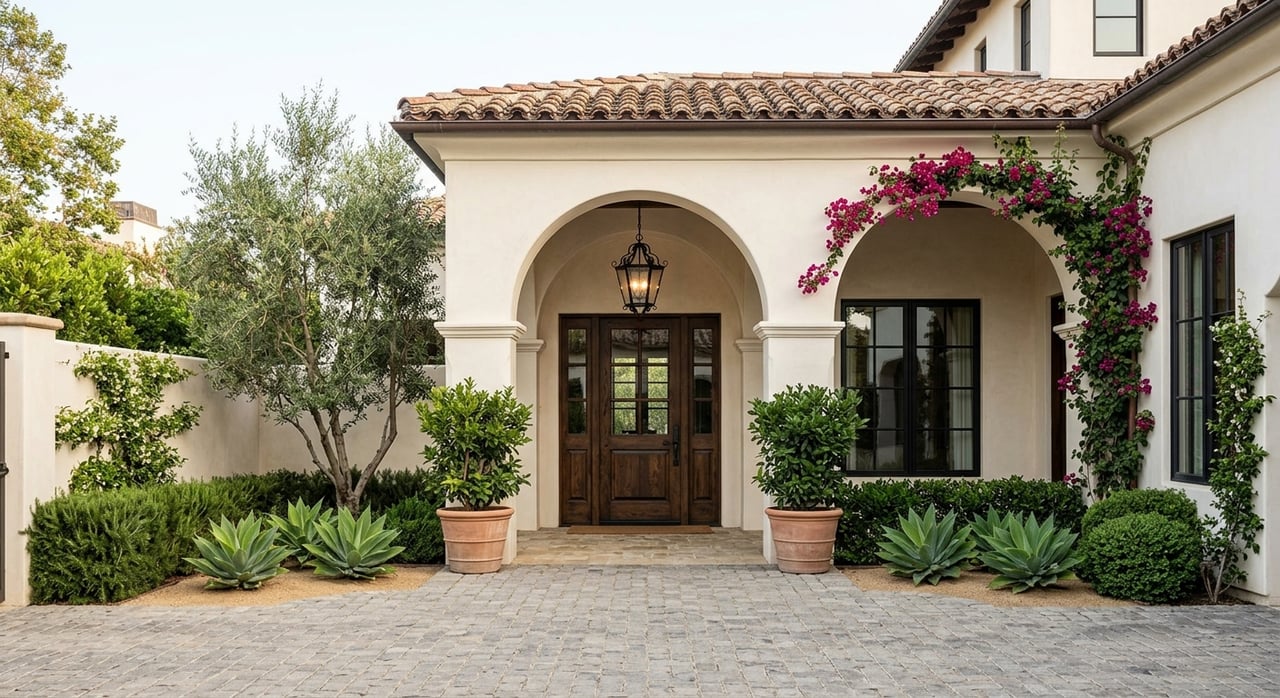
Selling a Toluca Lake estate is rarely a standard listing job. When privacy matters, the home is distinctive, and the stakes are high, you need a strategy that protects your comfort while still positioning the property well in the market. With the right plan, you can make thoughtful decisions about pricing, preparation, exposure, and buyer access without losing control of the process. Let’s dive in.
Why Toluca Lake estate sales need nuance
Toluca Lake is a compact Los Angeles neighborhood of about 1.22 square miles with more than 8,000 residents and over 4,000 households. The City notes that it was developed in 1923 as the first bedroom community in the San Fernando Valley and that it has long been associated with the entertainment industry. That local history still shapes how many sellers think about privacy, presentation, and neighborhood fit.
The area also sits within the Sherman Oaks, Studio City, Toluca Lake, Cahuenga Pass Community Plan area. The January 2026 draft emphasizes maintaining neighborhood character, preserving residential areas, and supporting compatibility with the entertainment industry. For estate sellers, that means your home is not just a property. It is part of a neighborhood context that can influence preparation decisions and buyer appeal.
Start with a property-specific value strategy
Broad neighborhood numbers can help set the scene, but they should not drive pricing for a Toluca Lake estate on their own. Realtor.com’s April 2026 neighborhood snapshot showed a median listing price of $1.3725 million, a median sold price of $918,000, 80 homes for sale, 39 median days on market, a 98% sale-to-list ratio, and a balanced market. Redfin’s Greater Toluca Lake data for March 2026 showed a median sale price of $1.19 million, 67 median days on market, and $895 per square foot.
Those figures cover many property types and are only a starting point. An estate-caliber home often stands apart because of its lot size, architecture, privacy, guest structures, renovation level, and overall quality. In a market like Toluca Lake, details can shift value materially.
What matters most in estate pricing
Appraisal guidance cited in the research report makes one point very clear: value depends heavily on comparable sales, comparable listings, timing, and the specific features of the subject property. Different professionals may weigh comps differently, especially when a home is unusual or highly improved. That is why estate pricing should be built around close local comparison and careful judgment, not neighborhood averages alone.
For a Toluca Lake estate, pricing often turns on features such as:
- Lot size and usable outdoor space
- Architectural style and integrity
- Privacy from the street and adjacent properties
- Guest house or additional structures
- Renovation quality and material choices
- Permit history and documentation
- Condition relative to competing listings
- Any view corridors or setting advantages
A thoughtful pricing strategy protects you from two common mistakes. The first is underpricing a special property by treating it like a standard home. The second is overpricing based on emotion or replacement cost rather than what qualified buyers are likely to pay in the current market.
Check design rules before making exterior changes
Many sellers want to refresh an estate before listing. That can be smart, but in Toluca Lake, exterior work deserves extra care. The Toluca Lake Village Community Design Overlay imposes design standards under LAMC 13.08, and the broader community plan framework also stresses neighborhood character.
If you are considering exterior painting, façade updates, hardscape revisions, gates, landscaping changes, or other visible improvements, it is wise to verify what is permitted before work begins. A pre-sale project that ignores local design standards can create delays, extra cost, or buyer questions at the wrong time.
Focus on preparation that supports value
Not every pre-sale project improves your result. In higher-value homes, buyers tend to notice craftsmanship, layout flow, condition, and whether changes feel cohesive with the architecture. Cosmetic work should support the home’s style rather than compete with it.
This is where design and construction fluency can make a real difference. A seller often benefits from guidance on which updates are worth doing, which should be left alone, and how to avoid spending money in ways that do not improve market response.
Choose the right level of market exposure
Privacy-conscious sellers often assume every listing must be fully public from day one. That is not always the case. The research report shows that today’s listing options allow for different levels of exposure, but the differences matter.
NAR’s 2025 policy distinguishes between delayed marketing exempt listings and office exclusive exempt listings. An office exclusive listing is not disseminated through the MLS and is not publicly marketed. A delayed marketing listing can still be marketed in ways consistent with the seller’s needs and remains visible to other MLS participants and subscribers.
Why “coming soon” is not fully private
In Los Angeles, this distinction has become more important. CRMLS began syndicating “Coming Soon” listings via IDX for listings entered on or after March 10, 2026, and that status can last up to 21 days. In practical terms, that means a coming soon launch is not the same as a truly private off-market introduction.
If your top priority is avoiding broad public exposure, an office exclusive approach may be the closer fit. If you want a controlled runway while still keeping the listing visible within the MLS environment, delayed marketing may be a better match. The right choice depends on your comfort level, timing, and goals.
Protect privacy during photography and showings
Even when you choose broad exposure, you still have options to protect your household and personal information. NAR’s consumer privacy guidance recommends stowing personal items and documents, locking up valuables, discouraging unapproved photography with a clear “No Photography” note, and using an electronic lockbox that records access.
For many estate sellers, this is one of the most important parts of the plan. The issue is not just security. It is also about preserving a sense of control while your home is being presented to the market.
Practical ways to reduce overexposure
A discreet showing strategy may include:
- Appointment-only access
- Advance buyer screening
- Limited showing windows
- Controlled group size during tours
- Identification requests before entry
- No sharing of garage or door codes
- Clear instructions about photography
- Secure storage of documents, devices, art, and valuables
These measures can help you maintain order without making the home feel inaccessible. Serious buyers generally understand and respect a well-run process, especially at the upper end of the market.
Vet buyers before opening the door
For a significant property, not every inquiry deserves immediate access. The research report notes that buyer readiness should be documented early. NAR’s qualified-buyer guidance points to several useful indicators, including prequalification or preapproval, available funds for down payment and closing costs, timely earnest money capability, and manageable debt.
This supports a common-sense approach for Toluca Lake estates: screen first, show second. Doing so can reduce disruption, improve security, and keep attention on buyers who are actually in a position to move forward.
What a controlled process can look like
A clear showing process often includes:
- Initial inquiry review
- Financial readiness confirmation
- Scheduling based on seller instructions
- Managed access through recorded entry tools
- Follow-up to confirm buyer interest and next steps
This structure helps protect your time and your home. It also sends a subtle but important message that the property is being represented with care and professionalism.
Organize disclosures and records early
California disclosure rules are not something to leave until the last minute. California Civil Code 1102 requires a Transfer Disclosure Statement for most single-family residential transfers, and any waiver is void as against public policy. The California DRE’s RE 6 form also states that the TDS is not a warranty and should be delivered as soon as practicable before title transfers.
California Civil Code 1103.2 requires a Natural Hazard Disclosure Statement covering items such as earthquake fault zones, seismic hazard zones, and high or very high fire hazard severity zones or wildland fire areas. The statute also notes that these maps are not definitive indicators of whether a property will actually be affected.
Older estates need extra document care
If the home was built before 1978, federal law requires disclosure of known lead-based paint hazards before contract signing, along with the required pamphlet and an opportunity for a lead inspection. For older Toluca Lake estates, this makes documentation especially important when repairs or remodeling have occurred over time.
Keeping records organized can make the sale smoother and help you answer questions accurately. Helpful documents often include:
- Permit records
- Contractor invoices
- Inspection reports
- Renovation scopes of work
- Dates of major system updates
- Reports prepared by qualified experts
The DRE guidance cited in the research report notes that expert reports can help limit liability for required disclosures. Just as important, organized records build buyer confidence and reduce uncertainty during escrow.
Balance elegance with control
A successful Toluca Lake estate sale is usually not about doing more. It is about doing the right things in the right order. Price the home based on its true competitive set, prepare it with care, choose an exposure level that matches your privacy needs, control access, and get ahead of disclosure work.
That approach creates poise in the process. It helps you protect the home’s image, reduce unnecessary friction, and present the property in a way that feels both polished and secure.
If you are thinking about selling a Toluca Lake estate and want a strategy shaped by discretion, local knowledge, and design insight, Joan Duffy can help you plan the next step with care.
FAQs
How should you price a Toluca Lake estate differently from a standard home?
- Estate pricing should rely on highly comparable local sales, listings, timing, and the property’s specific features, not just broad neighborhood averages.
What does privacy-focused marketing mean for a Toluca Lake home sale?
- It can mean choosing a more controlled listing option, limiting public exposure, managing photography rules, and using appointment-only showings with buyer screening.
Is a coming soon listing private in Los Angeles?
- No. The research report indicates that CRMLS coming soon listings are syndicated via IDX, so they are not the same as a truly private office exclusive listing.
What disclosures are required when selling a house in California?
- Most single-family residential sales require a Transfer Disclosure Statement, and California also requires a Natural Hazard Disclosure Statement covering mapped hazard areas.
What records should you gather before selling an older Toluca Lake estate?
- Start with permits, contractor invoices, inspection reports, renovation records, and any expert reports that help explain condition or completed work.